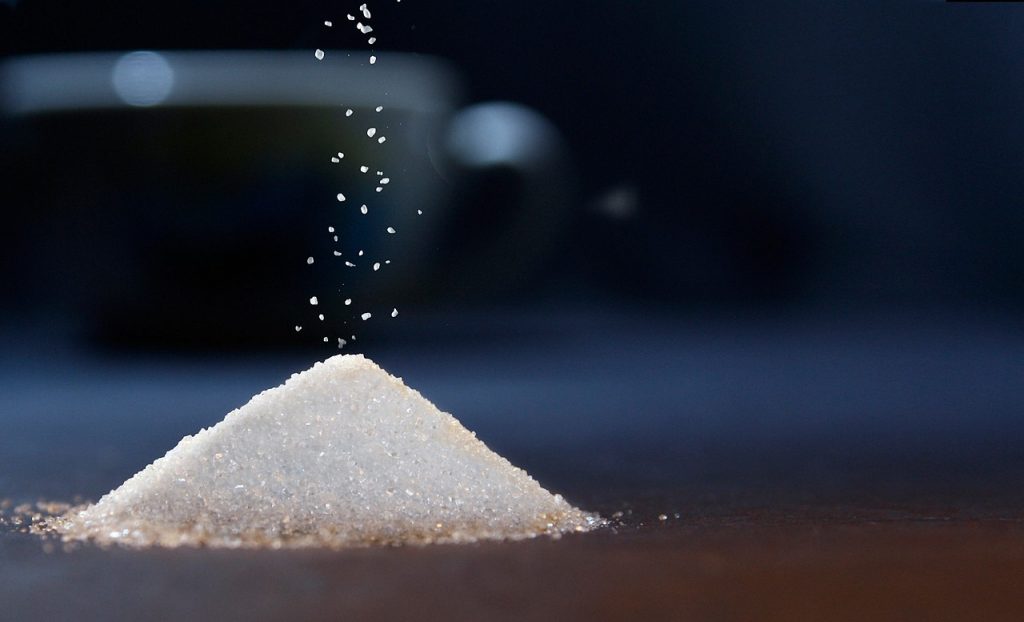
The facts about sugar addiction may surprise you. It is the most common addiction in our society today. That’s right, those pretty white crystals sitting on most people’s kitchen tables are addictive mind-altering substances. The average American consumes 32 teaspoons of sugar a day. Not only is it addictive, but this very common everyday product that is falsely believed to be harmless is responsible for many health problems we find in our society.
Sugar is not a food. It is a chemical. It is an addictive drug. Yes, that’s right, an addictive drug and when you remove it from your diet you can experience withdrawal symptoms as excruciating and serious as alcohol withdrawal, including tremors, flu like symptoms, headaches, and mood swings so intense you would damn near kill for a chocolate bar. Some say it is as addictive as heroin and current studies indicate it is more addictive than cocaine.
The biochemical make up of white sugar is almost identical to alcohol, except for one molecule. Refined white sugar is stripped of any nutritional value and is an empty calorie food; In addition to that, in order to be metabolized in the body it has to draw from your vitamin and mineral reserves and therefore is responsible for depleting mineral and vitamin levels, which in itself creates numerous health problems.
We can classify sugar as an addictive substance for the following five reasons:
- Despite negative consequences or the desire to give it up, the consumer eats it compulsively
- Neurotransmitters in the brain, like dopamine and serotonin, are impacted in the same manner as alcohol and hard drugs like cocaine.
- With continued use, tolerance occurs and sugar consumption must be increased to achieve the same experience
- Over time, sugar is required for normal functioning
- Withdrawal occurs when sugar consumption ceases
One of the most disturbing facts about sugar addiction is that it frequently leads to addiction to alcohol or harder substances and is often the root cause of relapse for alcoholics and drug addicts in recovery.
What is very sad and devastating is that sugar addiction is an acceptable addiction. It’s not uncommon for people to know they have an addiction to sugar and to make a joke of it. It’s not seen as a serious matter, when in reality it is very serious indeed. If you’re ready to stop being a sugar addict and eliminate your cravings, then you’ll want to take a look at Break Your Sugar Addiction Today.
Sugar addiction develops in several different ways. Largely it is due to the fact that sugar affects the brain in the same manner as drugs and alcohol; it overstimulates neurotransmitters, which results in a reduction of receptors that leads to less neurotransmitters and then tolerance develops. The brain then becomes dependent on sugar to compensate for the lower levels of neurotransmitters. Additionally, the consumption of sugar and high carbohydrate foods impairs the endocrine system. When you eat sugar, your blood glucose levels rise excessively, and then high levels of insulin are released to bring glucose levels down. Glucose levels then come crashing down and then cravings for more sugar develop. Eventually any food that results in an insulin spike will result in cravings for sugar and carbs.
However addiction to sugar can also be the result of a food allergy or food sensitivity. When you’re allergic or sensitive to a food, you often develop an addiction to it. You can ask your doctor to run an allergy test to determine if you have a true allergy, however allergy testing will not determine if you have a sensitivity. The ALCAT test can be used to identify hidden food sensitivities like sugar. When you have a sugar sensitivity, you most often have other food sensitivities that go hand in hand. Learn more about the ALCAT test.
Other factors that are involved with sugar addiction include adrenal fatigue, insulin and leptin resistance, thyroid problems, chronic stress, nutritional deficiencies, childhood abuse, environmental toxins, quality of sleep, SIBO, and candida overgrowth.
Health Issues Related to Sugar Addiction
Sugar has many destructive effects on the human mind and body, including but not limited to, damaging, altering and disrupting proper function of the nervous system, endocrine system, metabolic system, cardiovascular system, gastrointestinal system and immune system as well as primary organs like the liver, kidneys, colon and pancreas.
The list of health problems associated with sugar is enormous and too large to go into completely in one article, but some of the most common include:
- depression
- mood swings
- irritability
- depletion of mineral levels
- hyperactivity
- anxiety or panic attacks
- chromium deficiency
- depletion of the adrenal glands
- type 2 diabetes
- hypoglycemia
- candida overgrowth
- high cholesterol and triglycerides
- anti-social behavior such as that found in crime and delinquency
- anger control issues
- insomnia
- decreased immune function
- aggression
- neurotransmitter deficiencies
- high blood pressure
- heart disease
- asthma
- alcoholism
- acne
- PMS
- OCD
- fibromyalgia
- attention deficit
- cancer
- food addiction or binging
- obesity
- chronic fatigue
- addiction
- hormone imbalance
The consumption of sugar is considered to be one of the three major causes of degenerative disease in America even by the American Diabetes Association. Sugar is so destructive it can probably be linked to just about any health condition you think of and then some.
One of the most important issues for anyone living with a chronic illness is the impact sugar has on the immune system. Sugar suppresses the immune system. It depletes levels of phagocytes (the white blood cells that are needed for strong immune function and that eat up harmful bacteria) and this reduces the body’s ability to fight infection and disease.
Regardless of whether you’re trying to improve your health or protect it, removing sugar from your diet is probably one of the most important things you can do for yourself and your health. That and the avoidance of environmental toxins.
If you consume sugar because you’re not aware or educated about it’s negative effects on our health, that is one thing, but it is simply reckless behavior to continue to eat sugar after you’ve been informed, that will ultimately have long-term consequences.
There are few things in life where we have a lot of control what happens to us, but the food we put into our bodies is something that is totally within our control. Making better choices in food has a significant impact on our level of health, emotionally, physically and spiritually and it doesn’t require expensive lab work, prescriptions, remedies or trips to the doctor.
Removing sugar from your diet is not as easy as you think, because sugar is used as an additive for preservation and to make things more palatable. So it is basically found in most commercial foods. Unless you are living a health conscious life-style and picking your food wisely, sugar is in your catsup, morning cereal, spaghetti sauce, soup, salad dressing, peanut butter, pancake syrup, bread, yogurt, you name it and it probably has sugar in it. They even put sugar in your salt. You must learn to read labels very carefully and make different choices when you shop to eliminate sugar from your diet.
Other forms of sugar that should be removed from the diet include date sugar, maple sugar, raw sugar, turbinado sugar, high fructose corn syrup, fructose, dextrose, maltose and lactose, as well as molasses, honey, agave, maple syrup, brown rice syrup, barley malt and fruit juice sweetened items. Organic sugar, organic cane syrup, evaporated cane juice and organic cane juice should go as well as they are not really much healthier, and for the sugar addict – sugar is sugar.
Beating Sugar Addiction:
If you need help breaking sugar addiction you may want to check into how Cynthia’s holistic health counseling may help you and here are a few tips to get you started.
- Change the way you think of sugar and refined carbs. Refer to them as addictive drugs, not food, because that is what they are.
- Keep sugar and all sugar products out of the house, so you won’t be tempted and give in during times of stress and hunger.
- When you go to a social event, take your own food, or eat before going.
- Use alternative whole foods snacks such as fruit, dates and nuts in place of sweets, when overwhelming cravings arise.
- Exercising will help reduce cravings
- Eat more protein and fat, and follow the Paleolithic diet.
- Supplementation with l-glutamine can reduce cravings.
- Get emotional support.
- Identify nutritional deficiencies
- Restore balance to neurotransmitters
- Keep healthy snacks on hand for when cravings come on.
- Supplementing the diet with chromium may be helpful.
Beating sugar addiction can be very difficult. Be patient and forgiving of yourself. More than likely you will fall off the wagon a few times before making it. Get back on and start again. However, with time and commitment to making permanent changes in diet and lifestyle you can succeed.